Scalp Wellness
Scalp Wellness



The scalp is not simply skin.
It is a highly specialised organ containing approximately 100,000 hair follicles, sebaceous glands, sweat glands, a dense network of blood vessels and thousands of nerve endings. Each follicle is an independent biological unit capable of producing a complete hair fibre — but only when the conditions around it support growth.
Those conditions depend on blood flow to the follicle root, a balanced sebum production, a healthy scalp microbiome, the absence of chronic inflammation and the presence of the right nutrients at the follicle level.
When any one of these conditions is disrupted — by the wrong products, by tension, by hormonal changes, by stress or by nutritional deficiency — hair growth slows, weakens or stops entirely.
African communities understood this long before modern science had the language to explain it. The plants, oils and botanical remedies used across the continent for centuries were chosen because they worked — observed, tested and refined across generations of real use on real scalps. What trichology and cellular biology have done is explain the mechanisms. The knowledge was already there.
At AfrohairCandy, every formula is designed with the follicle environment in mind first. The hair is the outcome. The scalp is the cause.
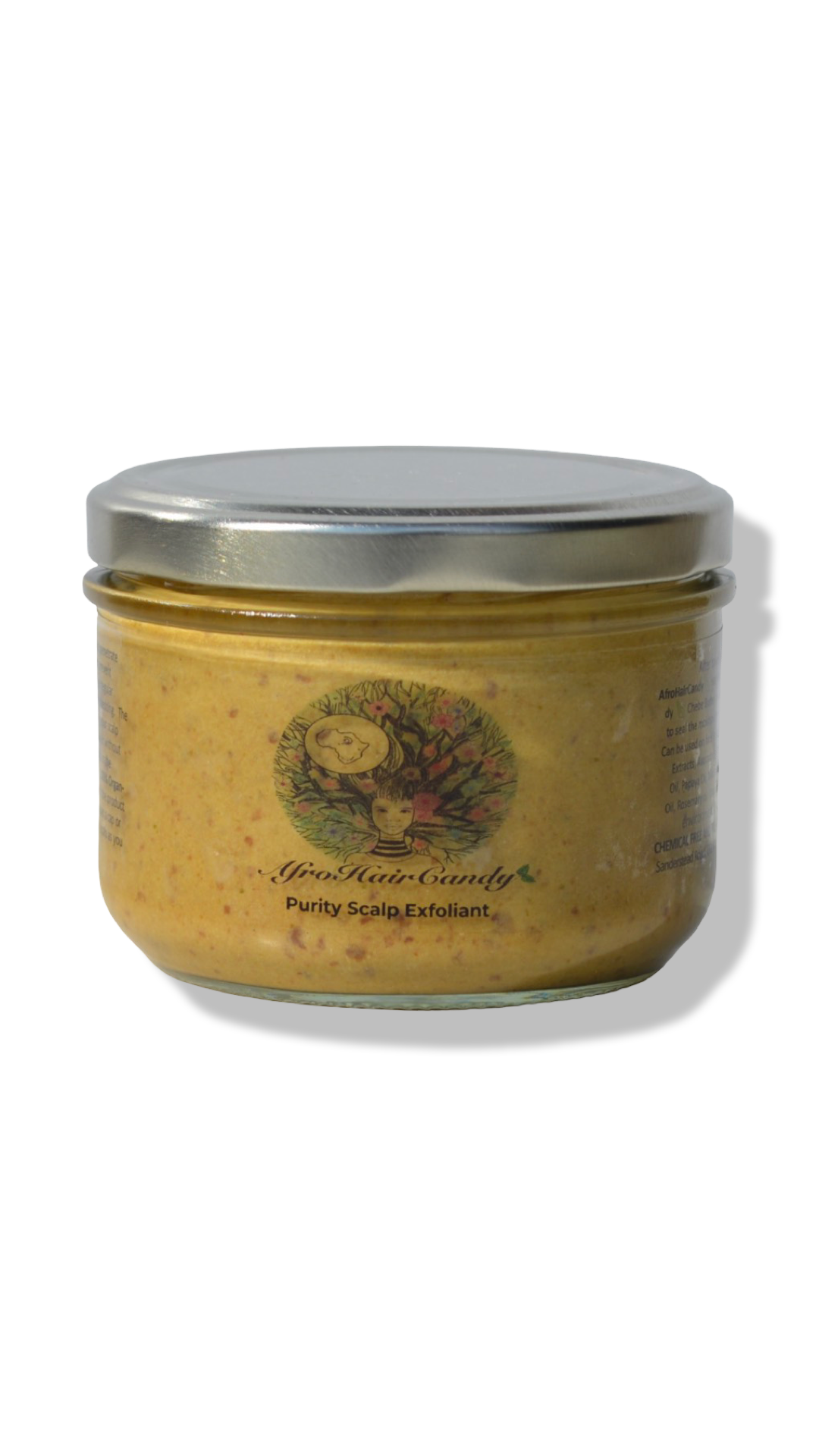
Discover the Purity Scalp Exfoliant




The five most common scalp disruptors:
1. Synthetic chemicals and preservatives — disrupt scalp pH, strip the protective sebum layer, cause chronic low-grade inflammation at the follicle level.
2. Alcohol-based products — microscopically desiccating. Causes microscopic damage to inflamed follicular tissue. The body responds with scar tissue which reduces blood flow to the follicle.
3. Tension from styling — traction alopecia from repeated tension causes follicle damage that can become permanent over time. The frontal hairline and temples are most vulnerable.
4. Hormonal disruption — oestrogen decline during perimenopause and menopause increases DHT sensitivity, shortens the growth cycle and causes progressive follicle miniaturisation.
5. Product build-up and blocked follicles — silicones and waxes accumulate on the scalp, blocking the follicle opening and creating conditions for fungal and bacterial overgrowth.
At AfrohairCandy none of our products contain any of these disruptors. No synthetics. No alcohol. No silicones. No mineral oil. No preservatives.
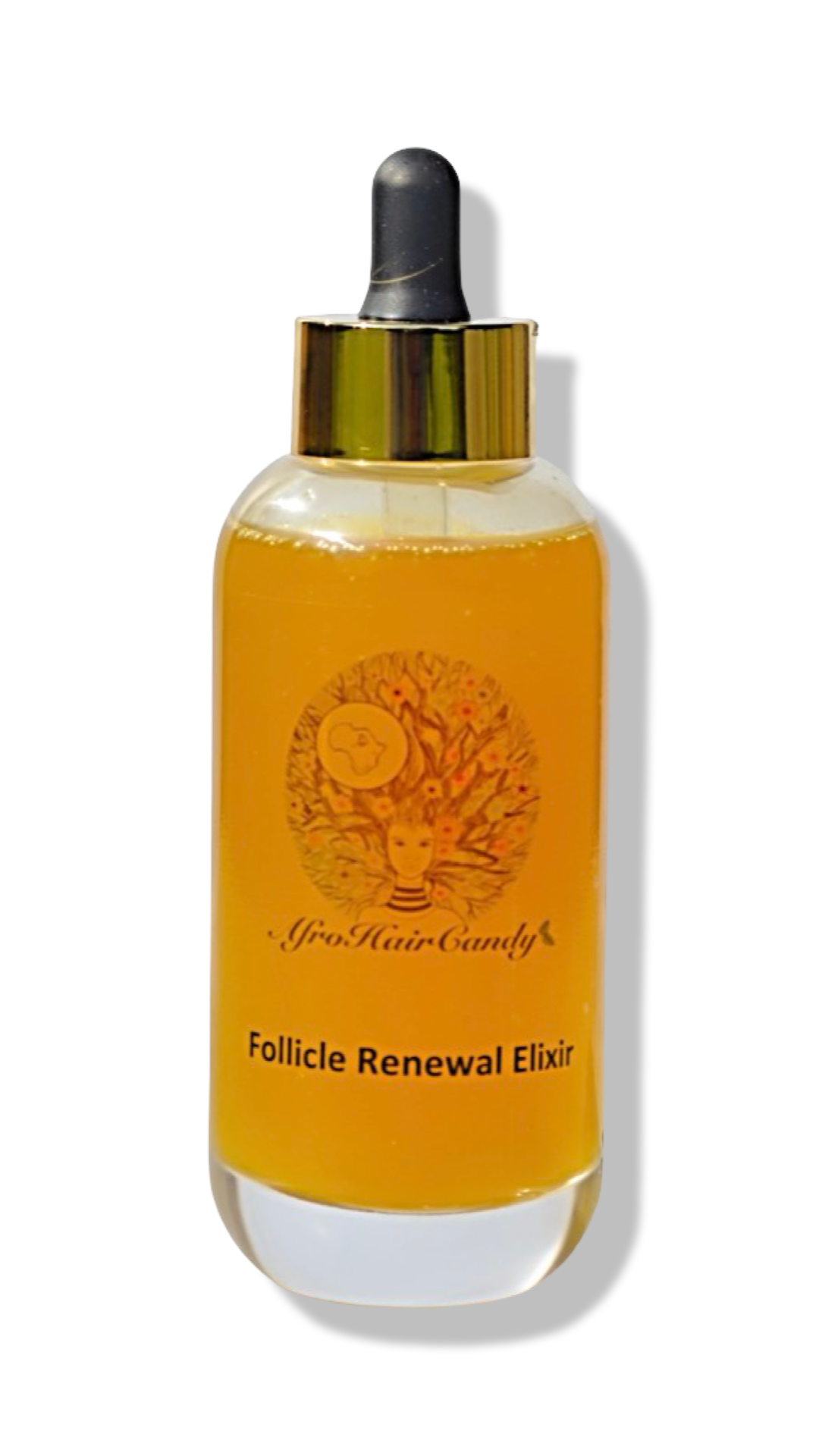
Discover the Protect & Restore Scalp Serum

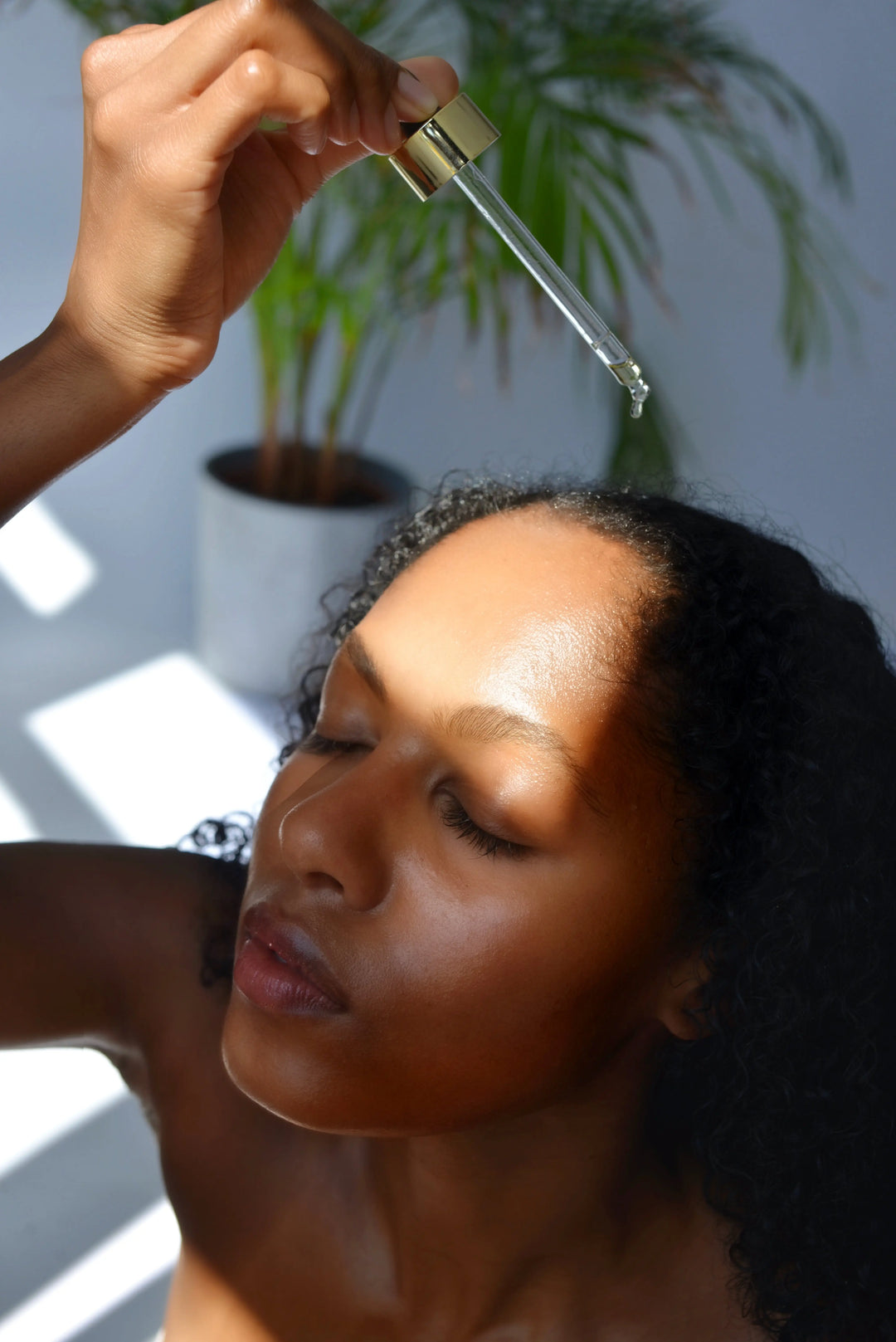
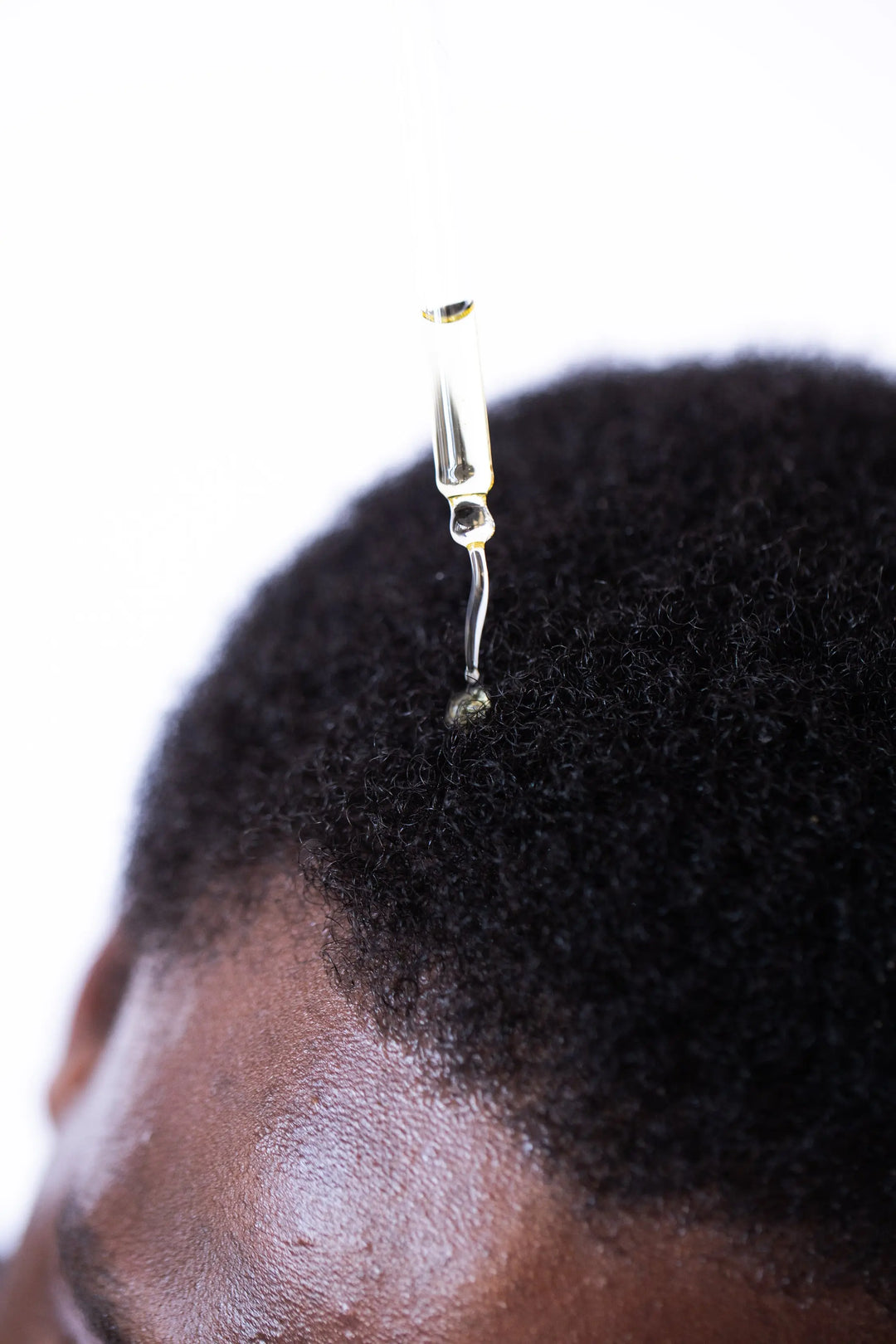
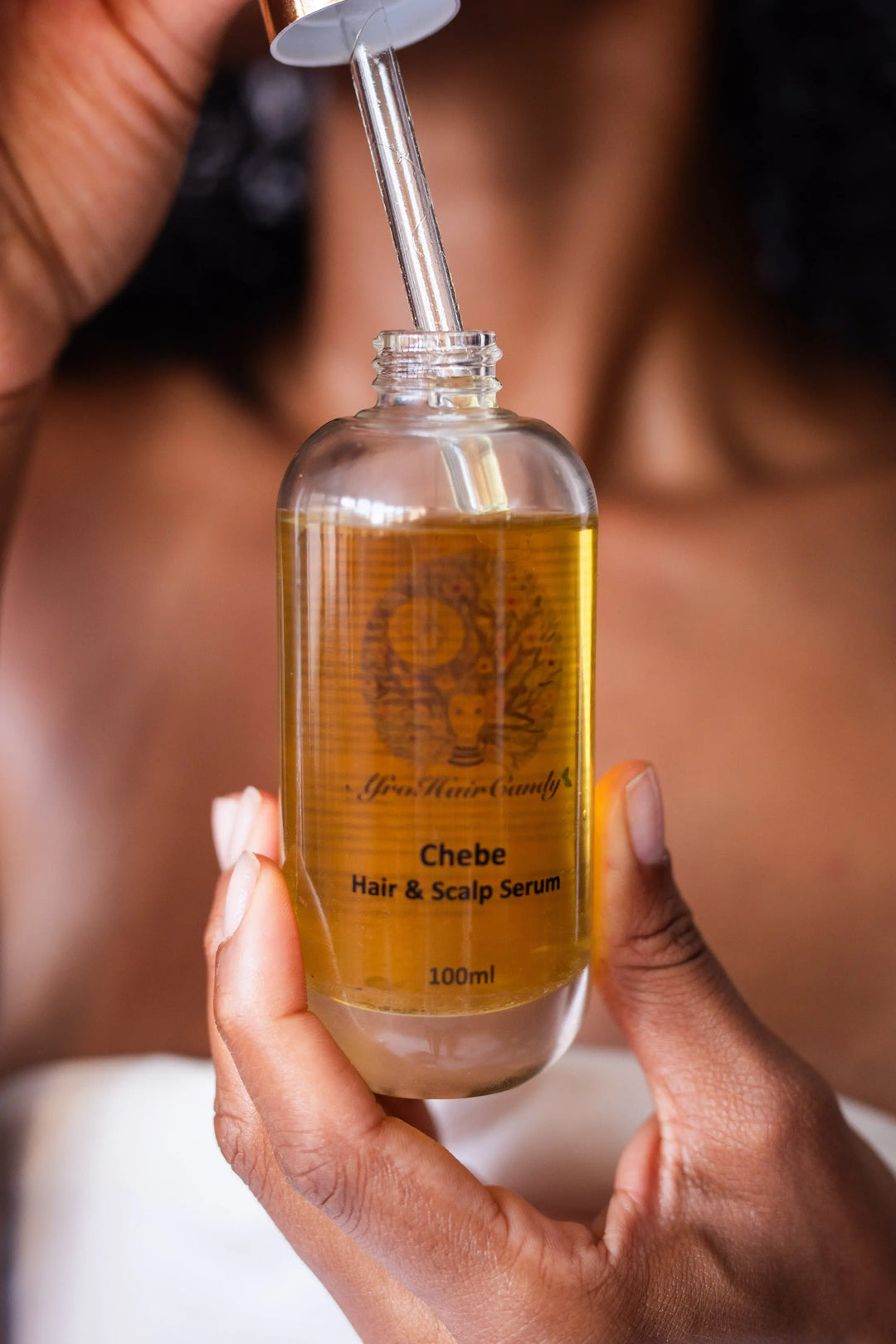
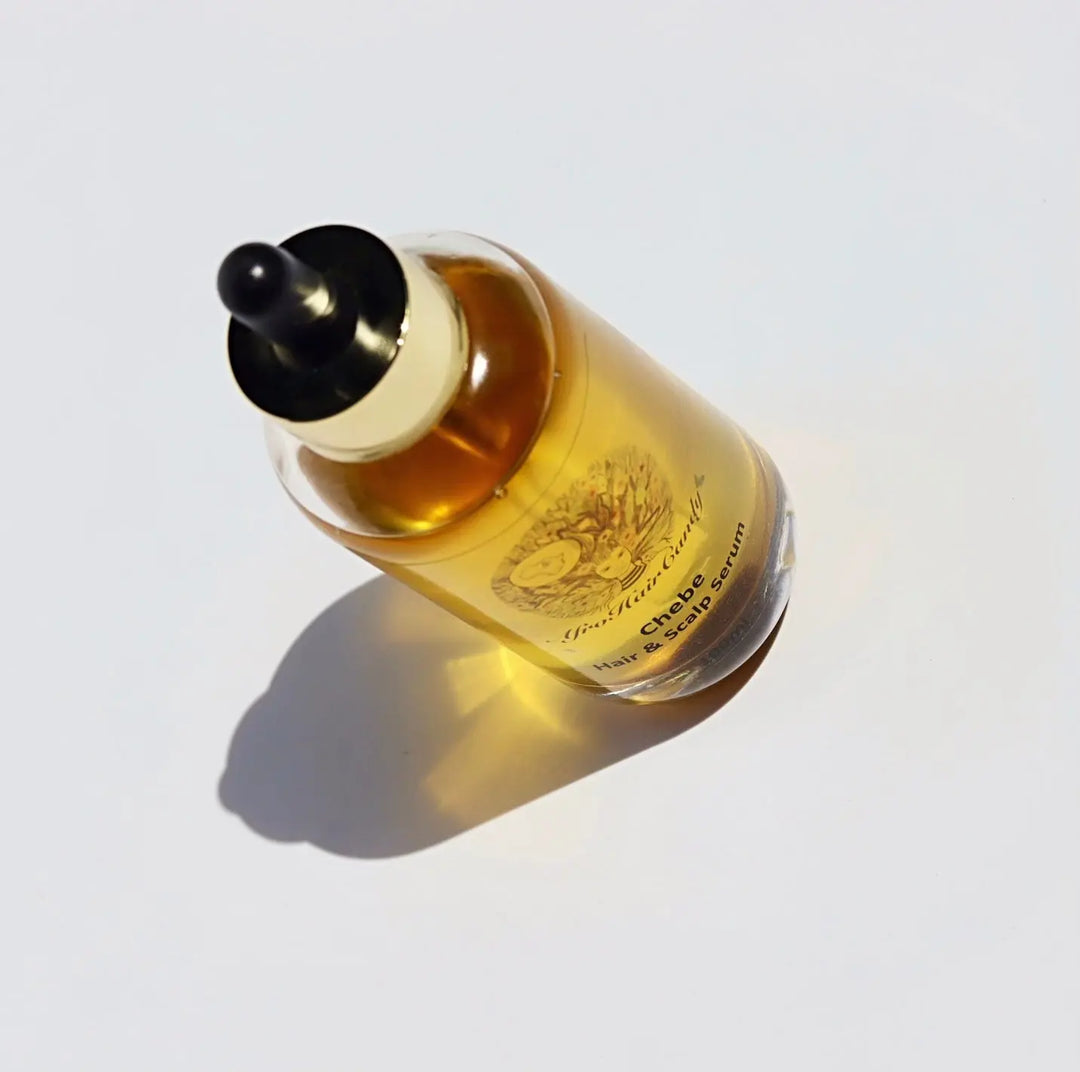
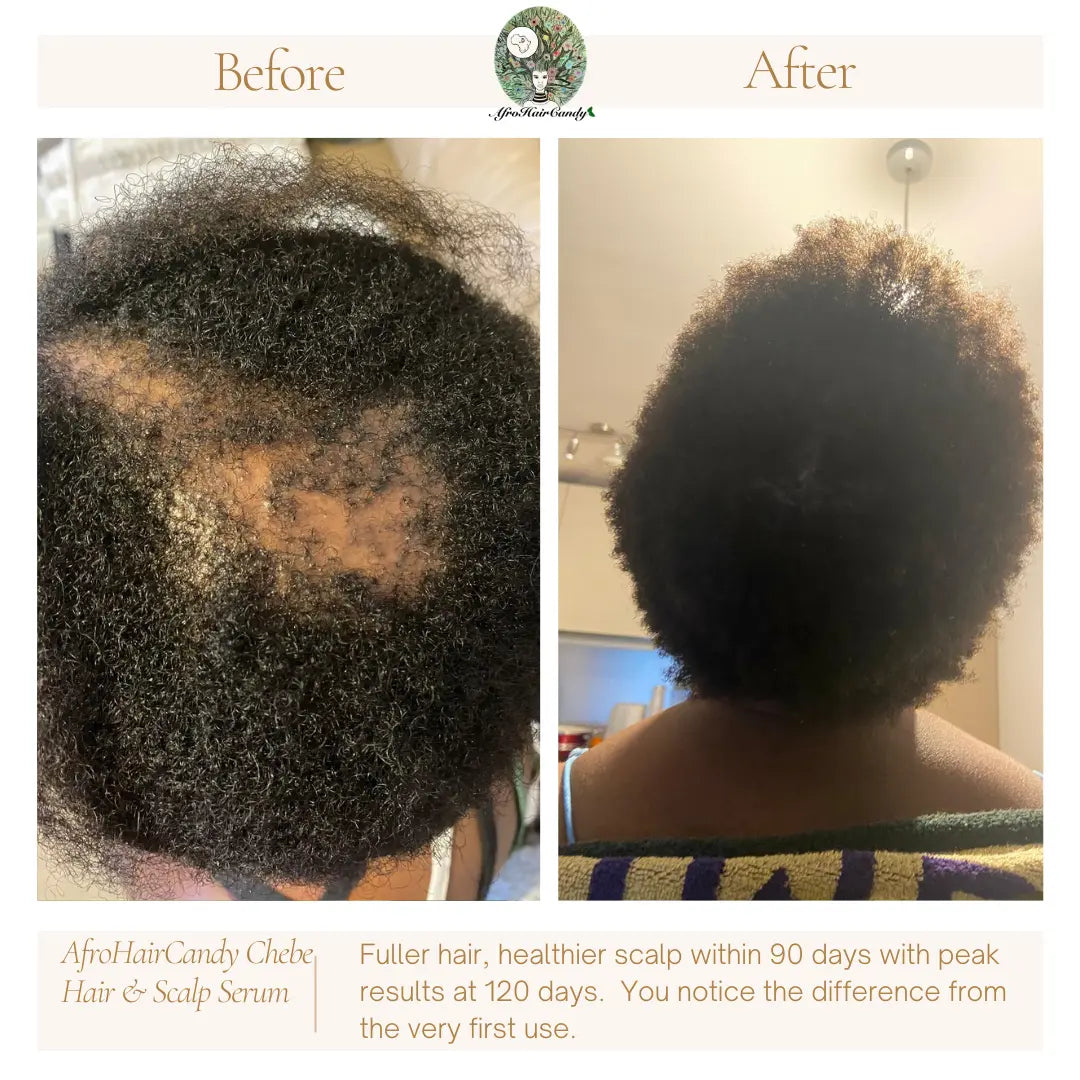
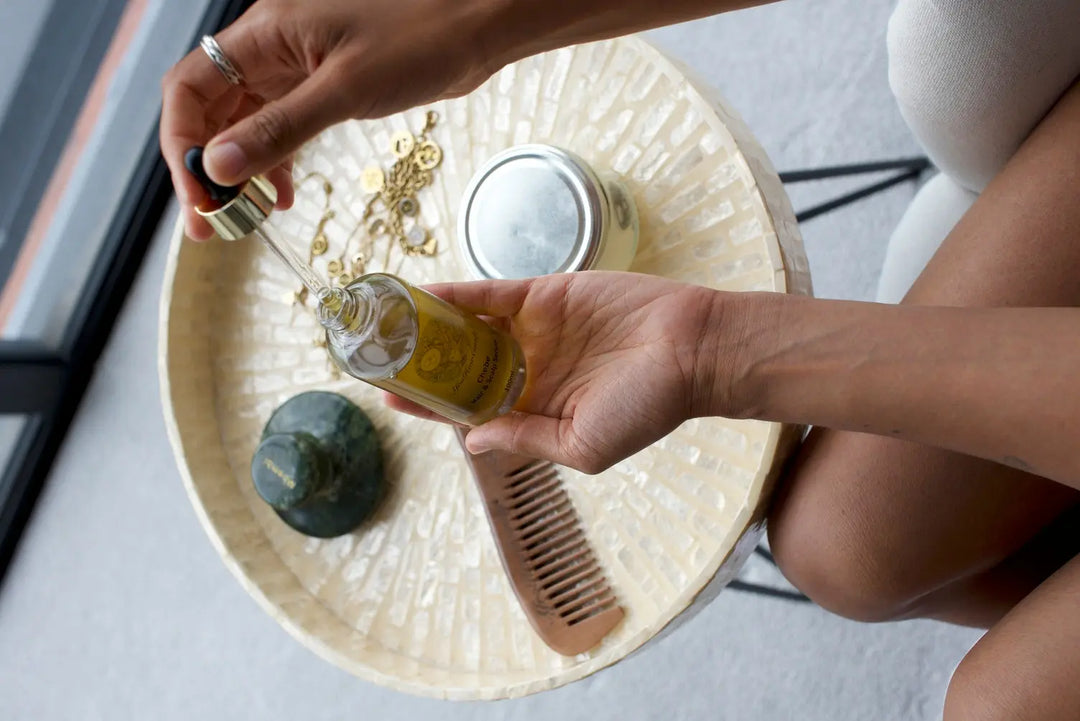
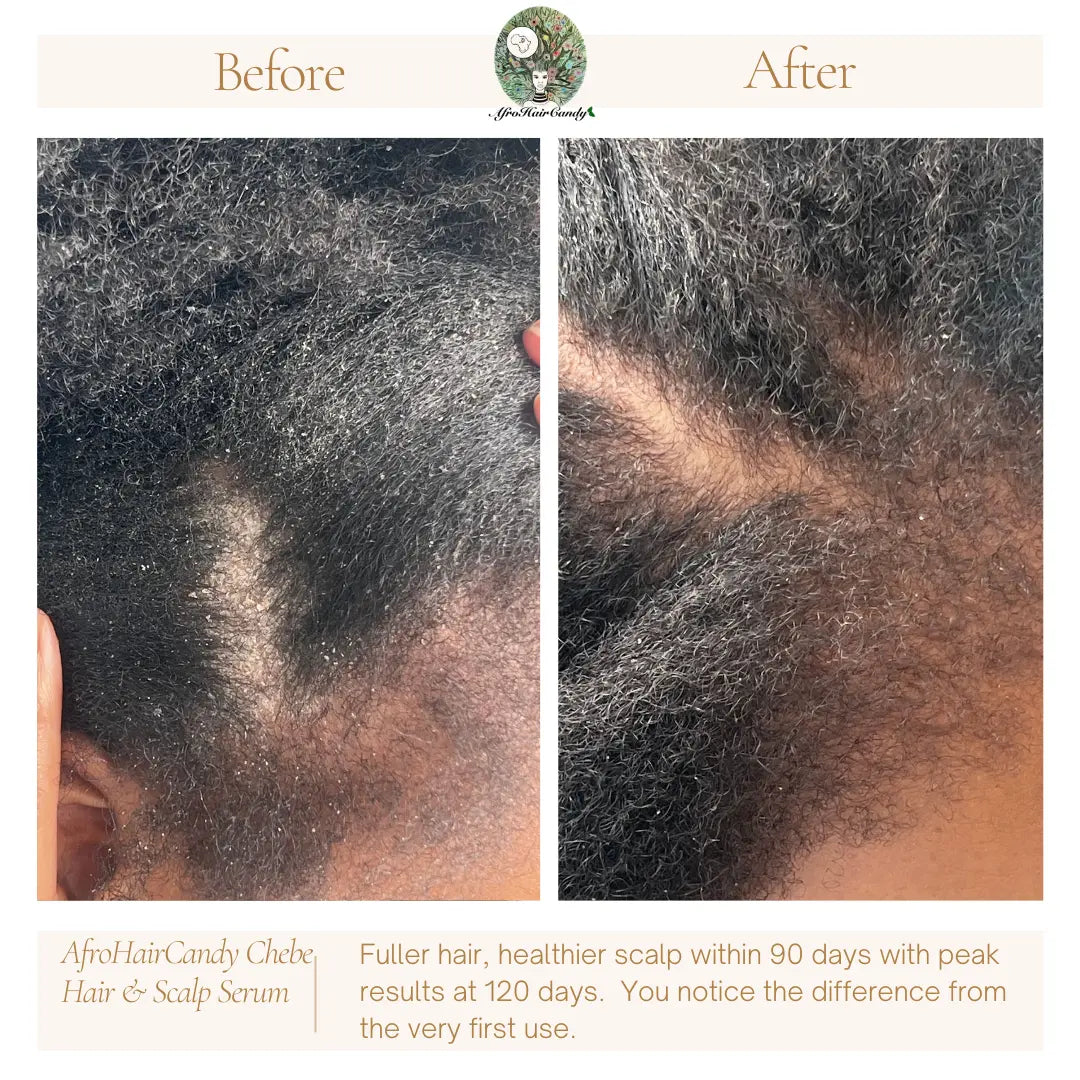
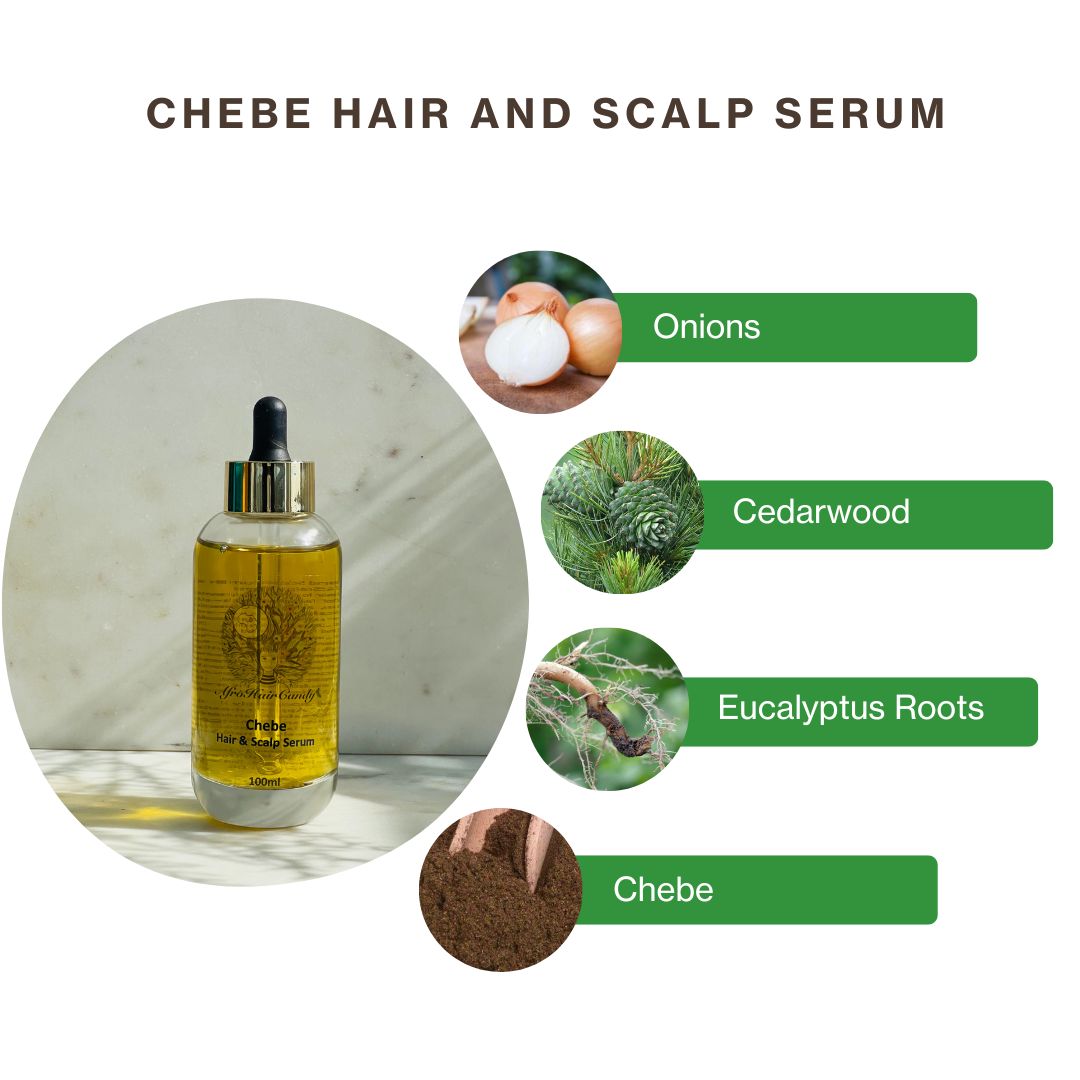


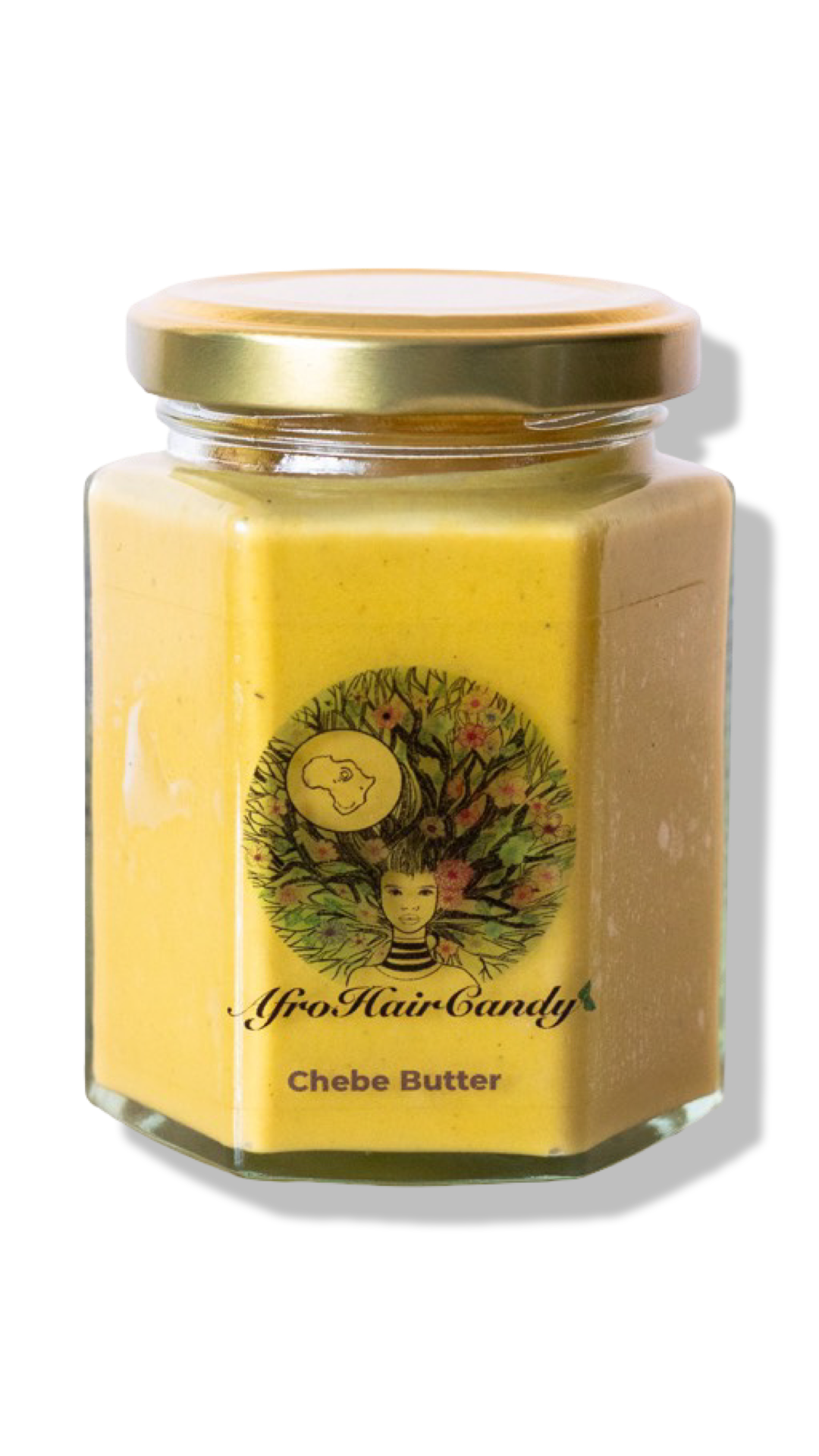
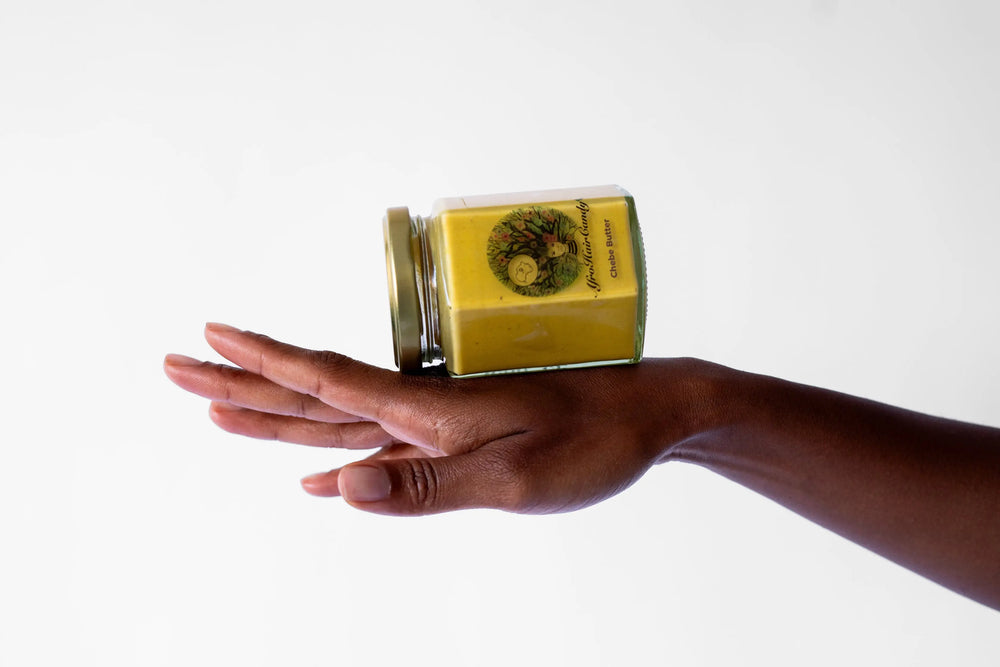
AfroHairCandy Chebe Hair & Scalp Serum for natural hair restoration, made with organic herbs and oils.
Embark on a transformative journey with AfroHairCandy Chebe Hair & Scalp Serum, a cherished creation that has evolved over 22 years, born from love and the quest for true hair restoration.
This serum traces its roots to a powerful source of inspiration – our CEO's mother. Two decades ago, it was crafted with a singular mission: to combat menopausal hair loss. Later, in the face of her mother's Melanoma Cancer diagnosis, the formula was refined to stand as a companion during the trying times of radiotherapy and chemotherapy. It emerged not only as a saviour for preventing hair loss but as a gentle healer for a sensitive and distressed scalp.
The making of AfroHairCandy Chebe Hair & Scalp Serum is an art form, a process that unfolds over 6-8 months. It's a labor of love, involving the infusion of fresh herbs, African spices, and clinically proven oils. Together, they breathe life into this elixir, capable of repairing damaged follicles and shielding them from inactivity, all while promoting fast growth and strengthening strands.
100ml
6 Months Life
Made from just Plants, Seeds and Oils
100% Chemical Free, Organic, Natural, No Perfume, No Preservatives, No Synthetics and No Alcohol
Made with ethically sourced ingredients from Africa and the Caribbean

Textured hair — spanning 3C through 4C — has a fundamentally different follicle structure from straight hair. The follicle itself is curved rather than straight. This curvature determines the shape of the hair fibre as it emerges and has significant implications for how textured hair behaves and what it needs to thrive.
Because of the curved follicle structure, the natural sebum produced by the scalp travels less easily along the hair shaft. This means textured hair is structurally more prone to dryness — not because it produces less sebum, but because that sebum cannot lubricate the full length of the hair fibre as effectively.
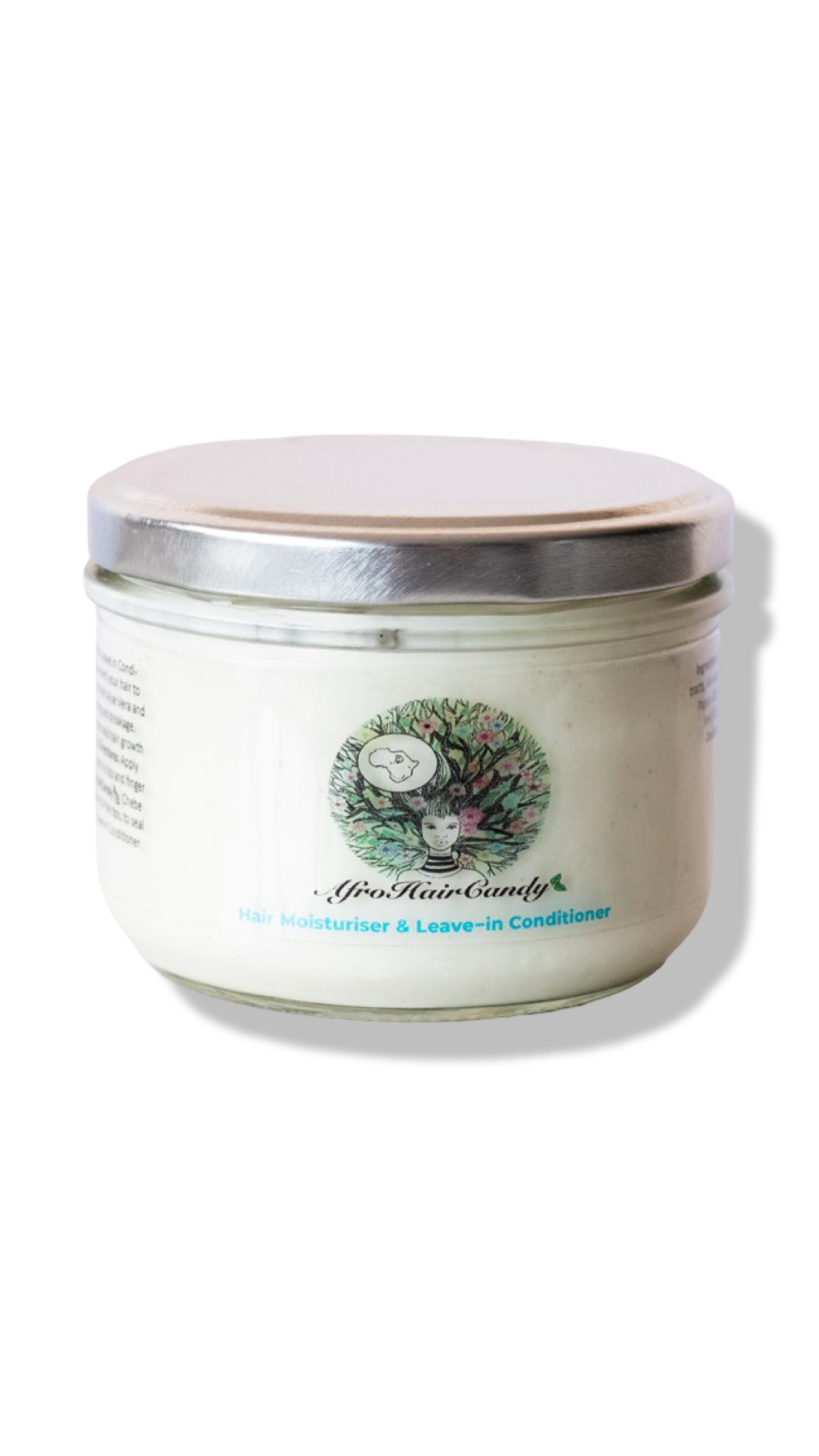
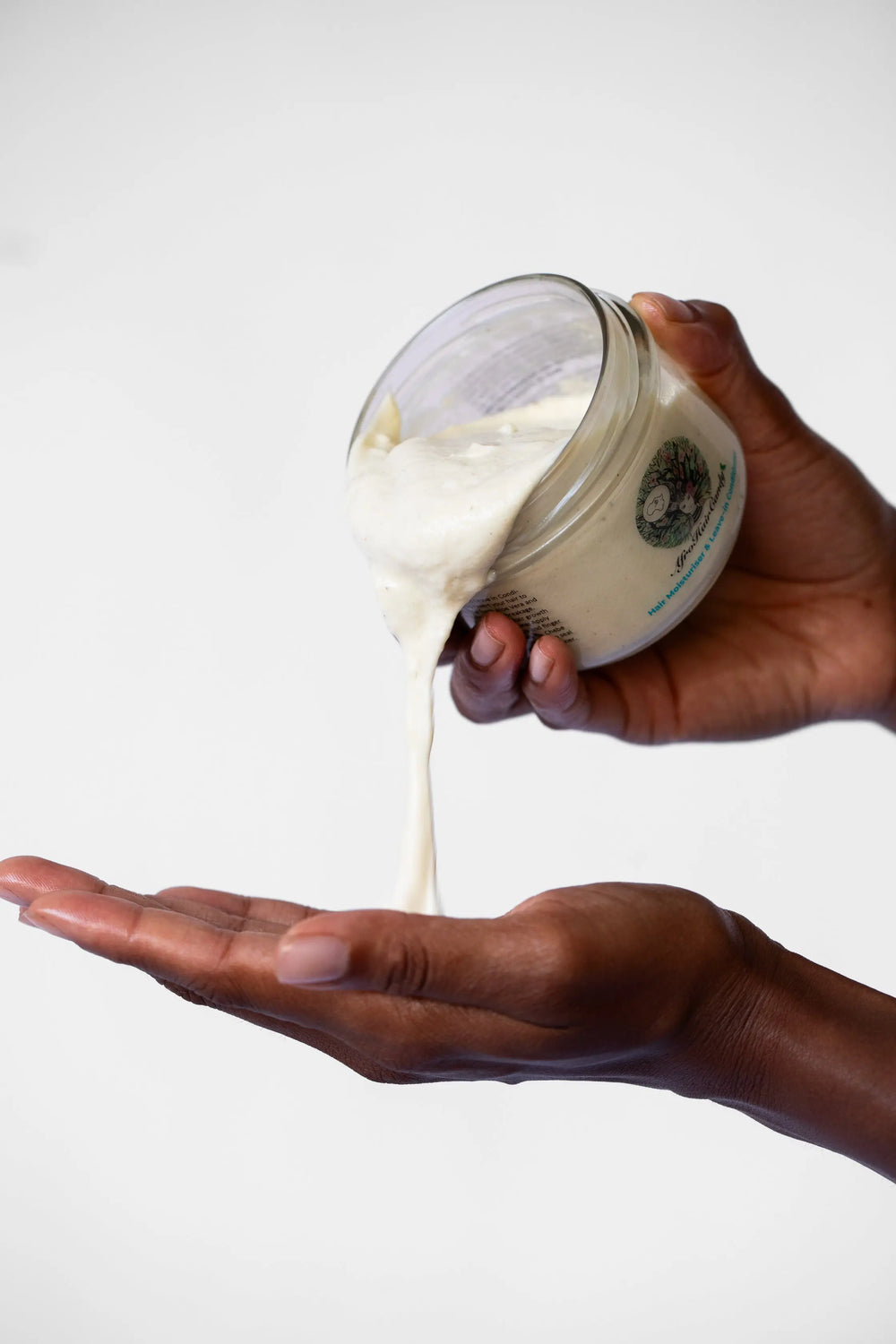
This is why moisture — delivered externally through water-based products and plant oils — is foundational for textured hair health. And this is why the LOC method — Liquid, Oil, Cream — applied in the correct sequence, is not just a styling technique. It is a physiological response to the structural reality of the textured hair follicle.
Discover the Core Range

Three of the most common triggers of significant hair loss in women are hormonal.
Menopausal and perimenopausal hair loss — oestrogen and progesterone support healthy hair growth by prolonging the anagen phase. As these hormones decline the hair growth cycle shortens, follicles become smaller and hair becomes finer, sparser and slower to grow.
Postpartum hair loss — telogen effluvium — during pregnancy elevated oestrogen prolongs the anagen phase. After delivery oestrogen drops rapidly, pushing large numbers of follicles simultaneously into the telogen resting phase. Three to four months later those follicles shed simultaneously.
Stress-related hair loss — chronic psychological stress elevates cortisol which disrupts the hypothalamic-pituitary-adrenal axis and directly affects the hair growth cycle by pushing follicles prematurely into the telogen phase.
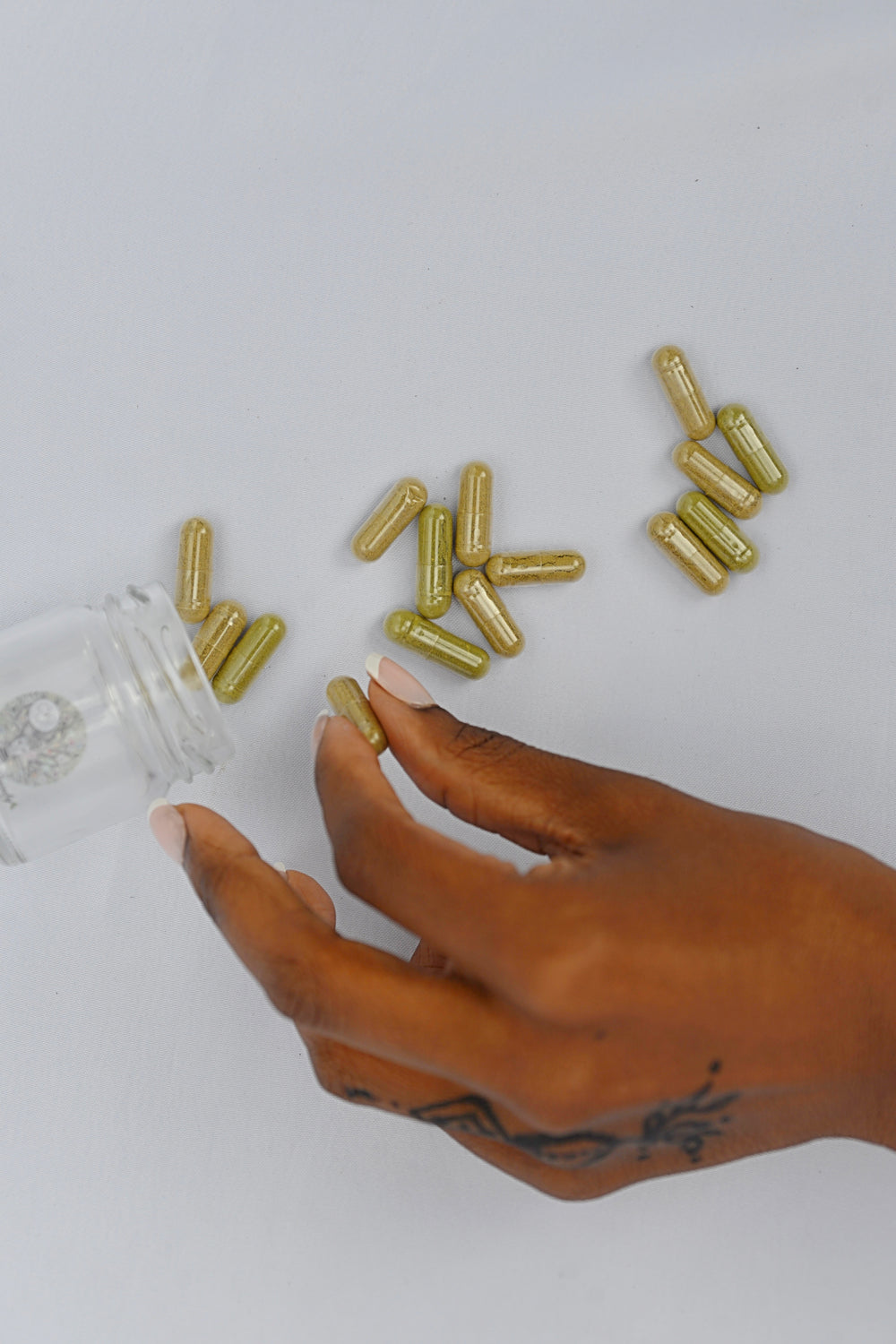
For all three triggers, topical products alone are insufficient. Our capsules range was formulated specifically for this inside-out approach.
Discover the Inner Wellness range

Science does not always lead. Sometimes it follows. The botanical compounds in African plants were understood by our ancestors centuries before laboratories existed to explain why they worked. What cellular biology has done is catch up.
Chebe powder from Chad — contains compounds that penetrate the hair shaft and significantly reduce moisture loss from the cortex. Hair that retains moisture does not break. Hair that does not break retains length.
Kola Nut from the Congo — rich in caffeine and theobromine, compounds that stimulate microcirculation at the follicle level. Increased blood flow to the follicle means increased oxygen and nutrient delivery to the hair root.
Nilotica Shea from Uganda — higher oleic acid content than any other shea variety. Absorbs into the hair shaft and skin barrier at a depth that refined shea cannot reach.
Bulukutu and Congolese Eucalyptus Root — sourced exclusively from the Congo, found nowhere else on earth. Contain anti-inflammatory and antimicrobial compounds that address chronic scalp inflammation at the tissue level.
Wild Congo honey — harvested from unfarmed bees foraging across the Congo rainforest. Retains the full complement of enzymes, amino acids and antioxidants that commercial honey loses during processing.
This is what 22 years of formulation means. Not 22 years of mixing products. 22 years of applying cellular biology and trichology to the botanical knowledge that African communities have held for centuries — to understand precisely why it works and how to deliver it in its most potent form.
Click here ---> To discover our ethical sourcing

Scalp wellness is not achieved by one product applied to one surface. It is the result of consistently addressing the scalp environment from both the outside in and the inside out.
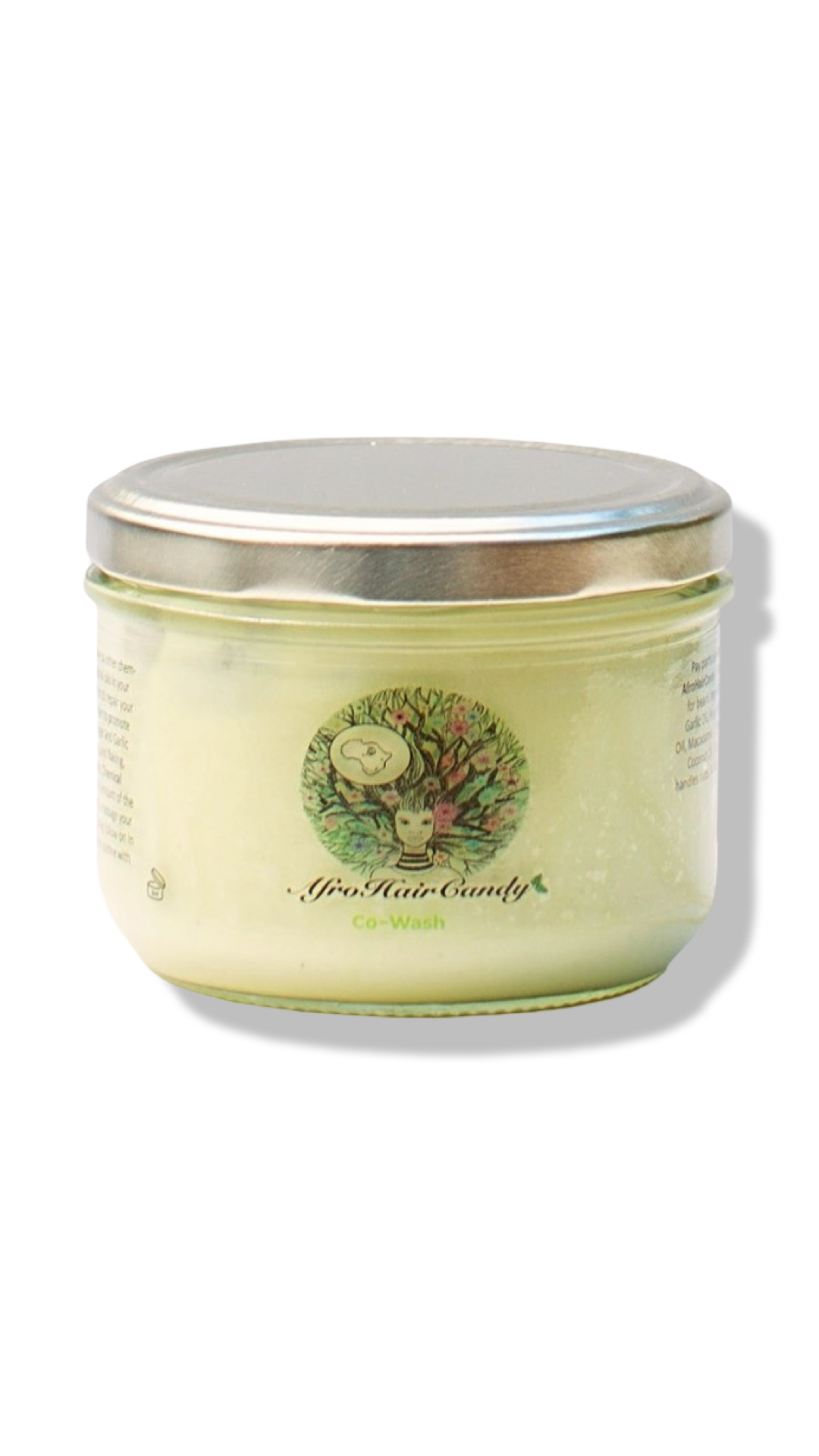
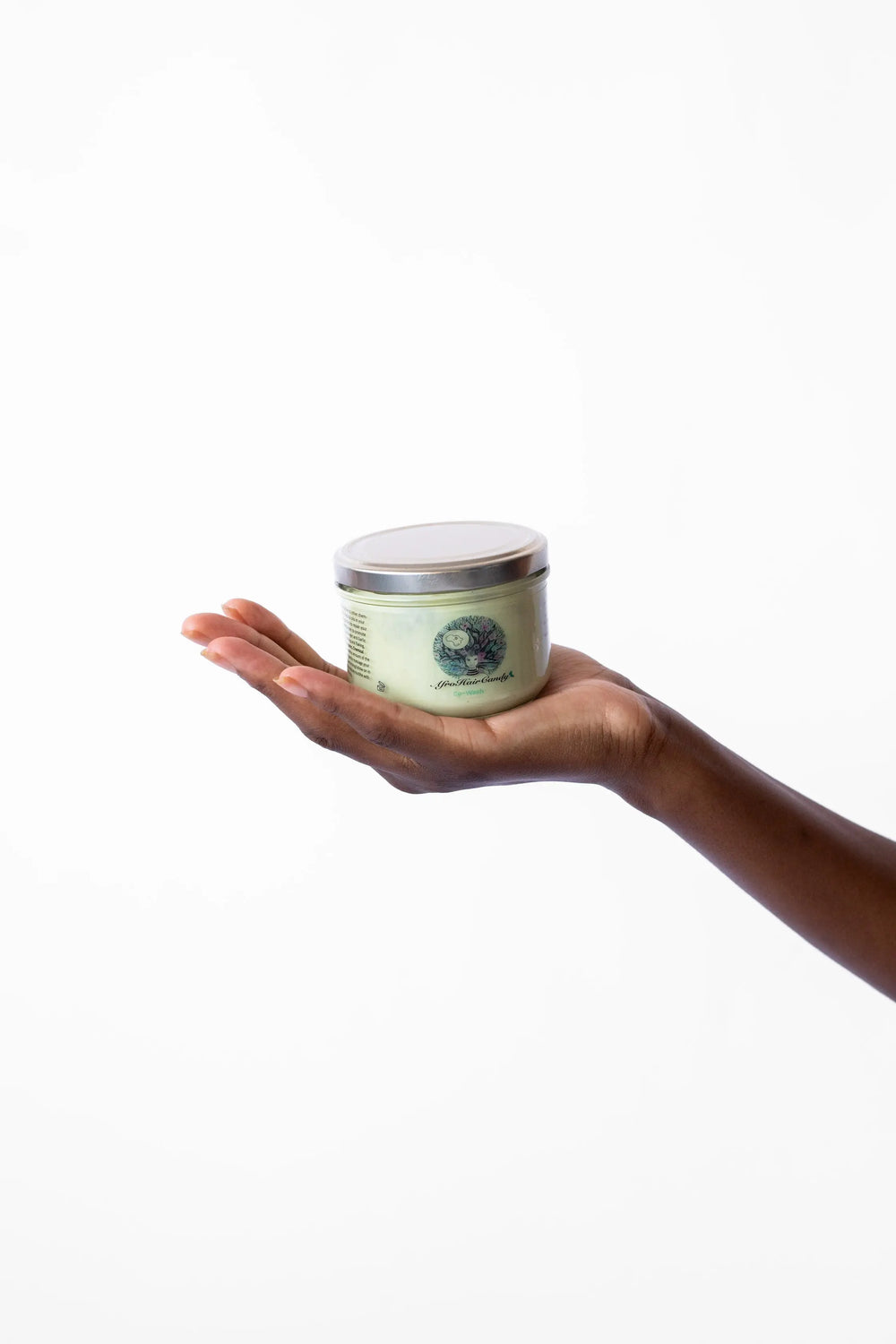
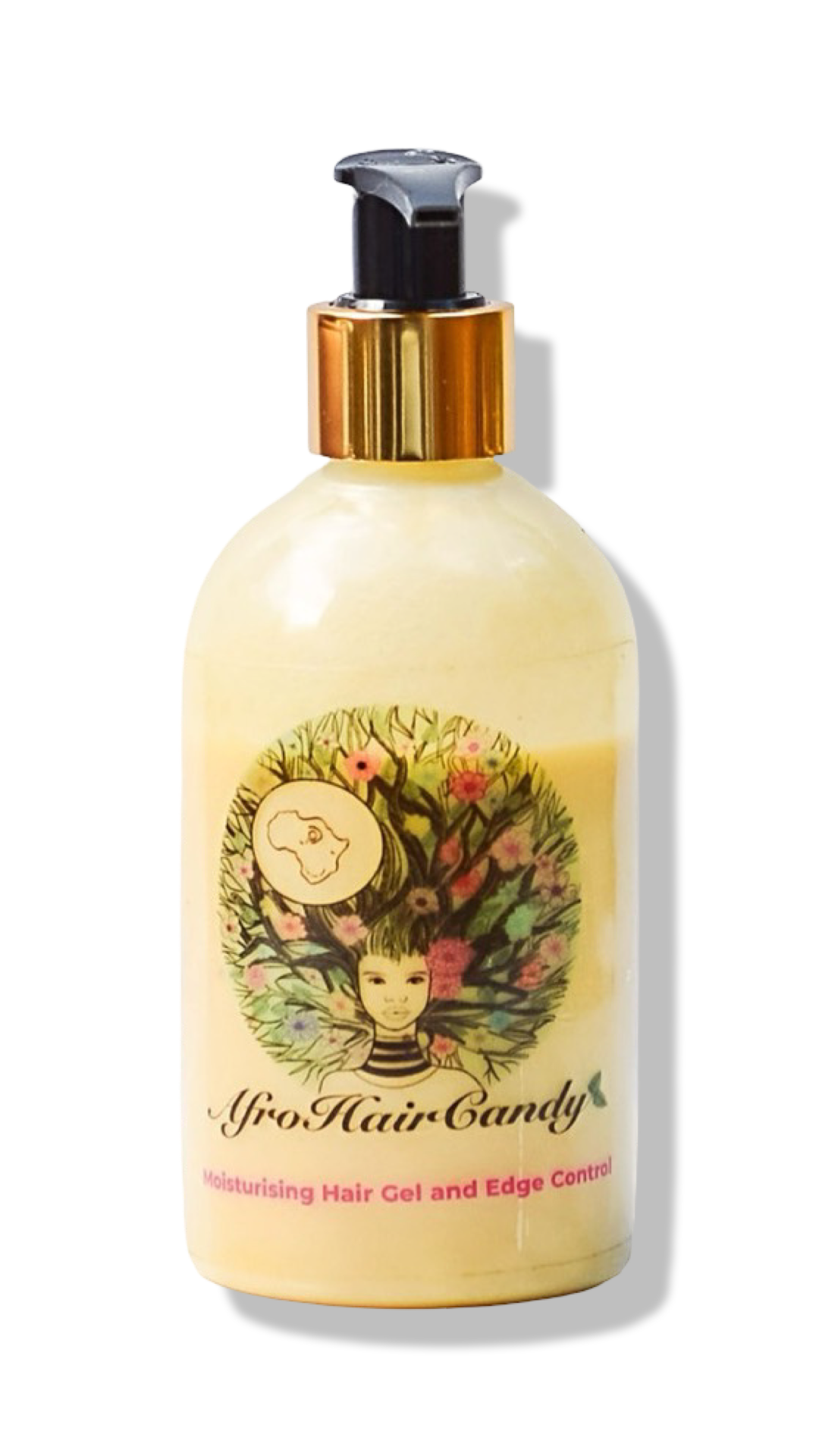
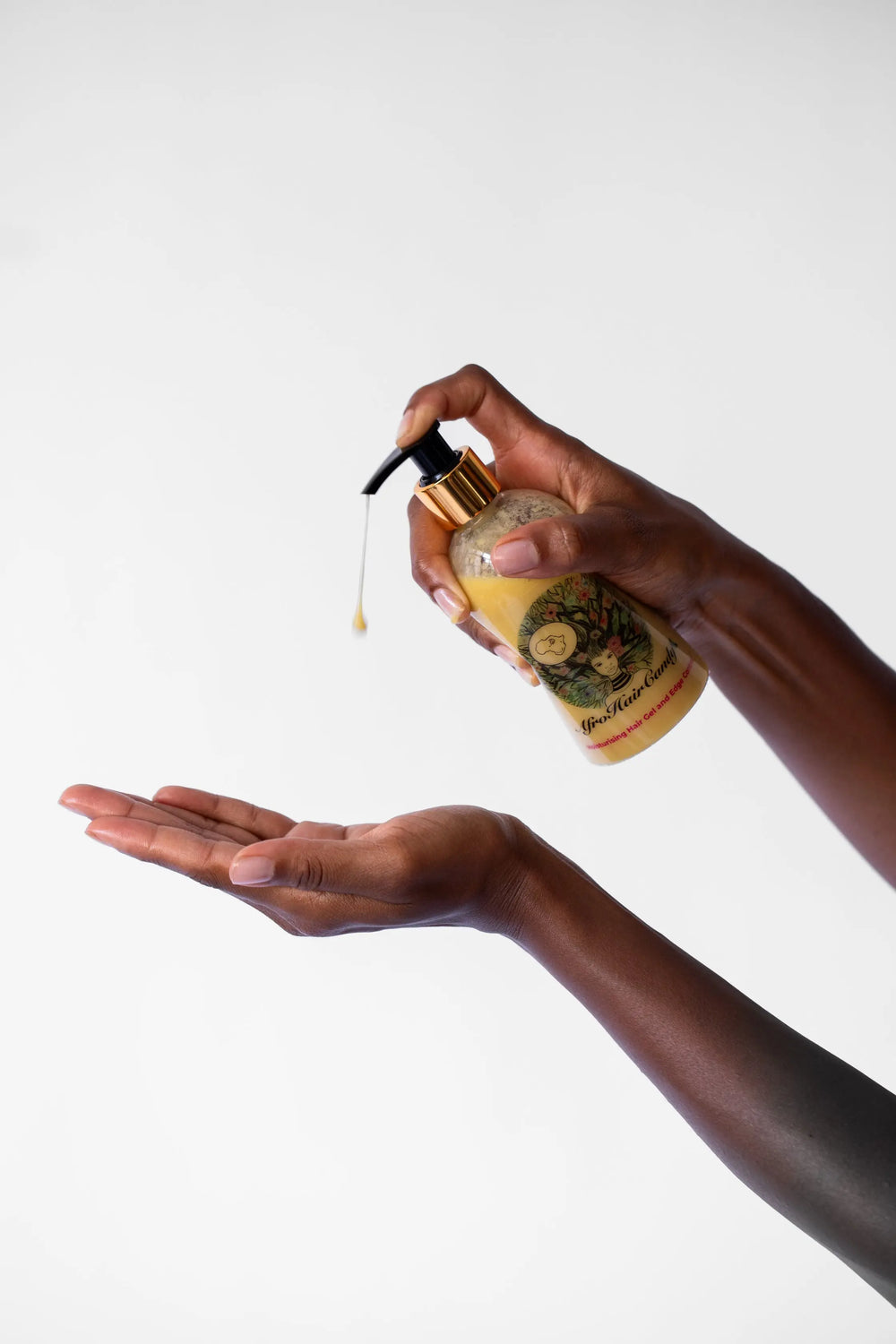
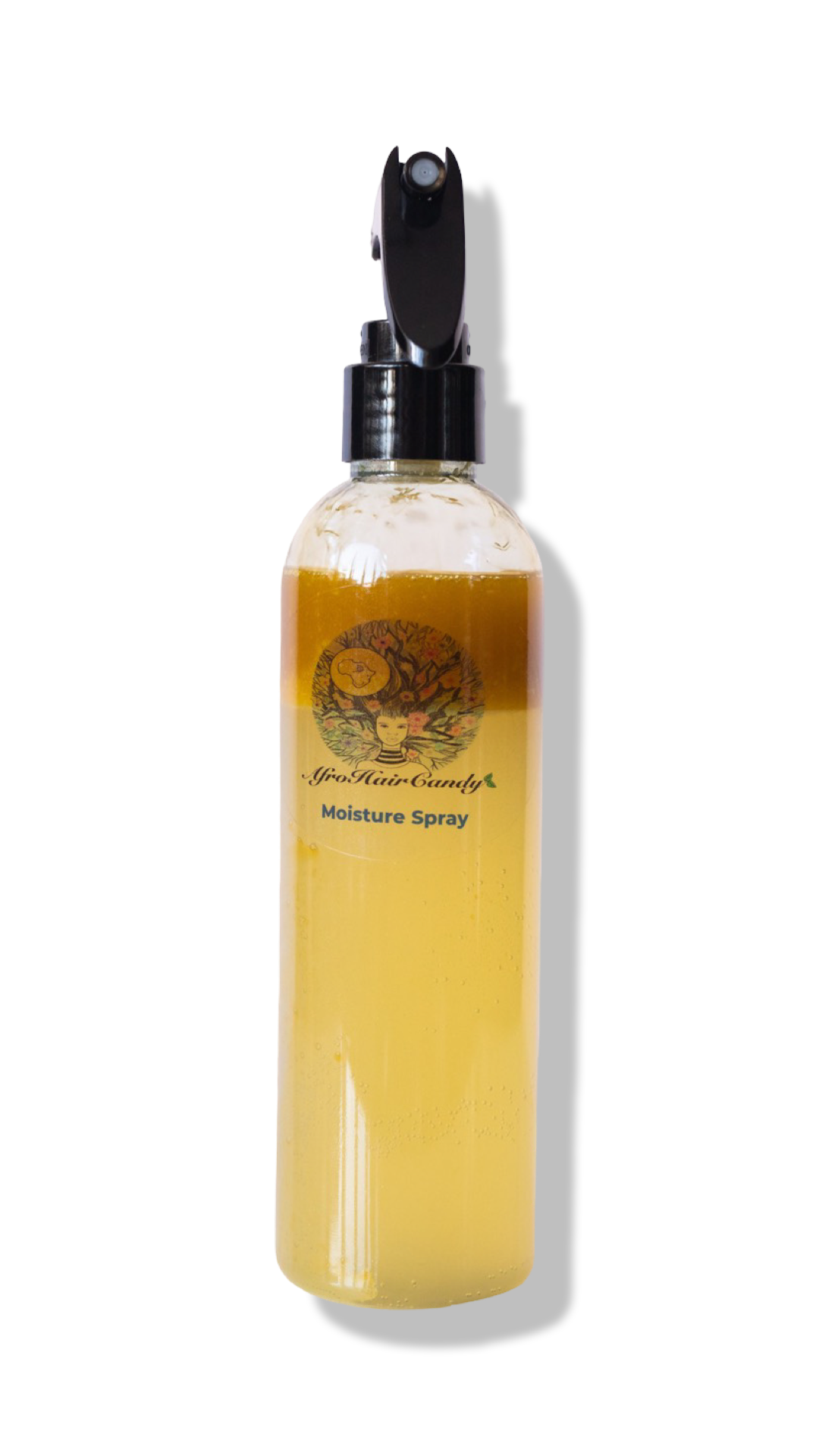
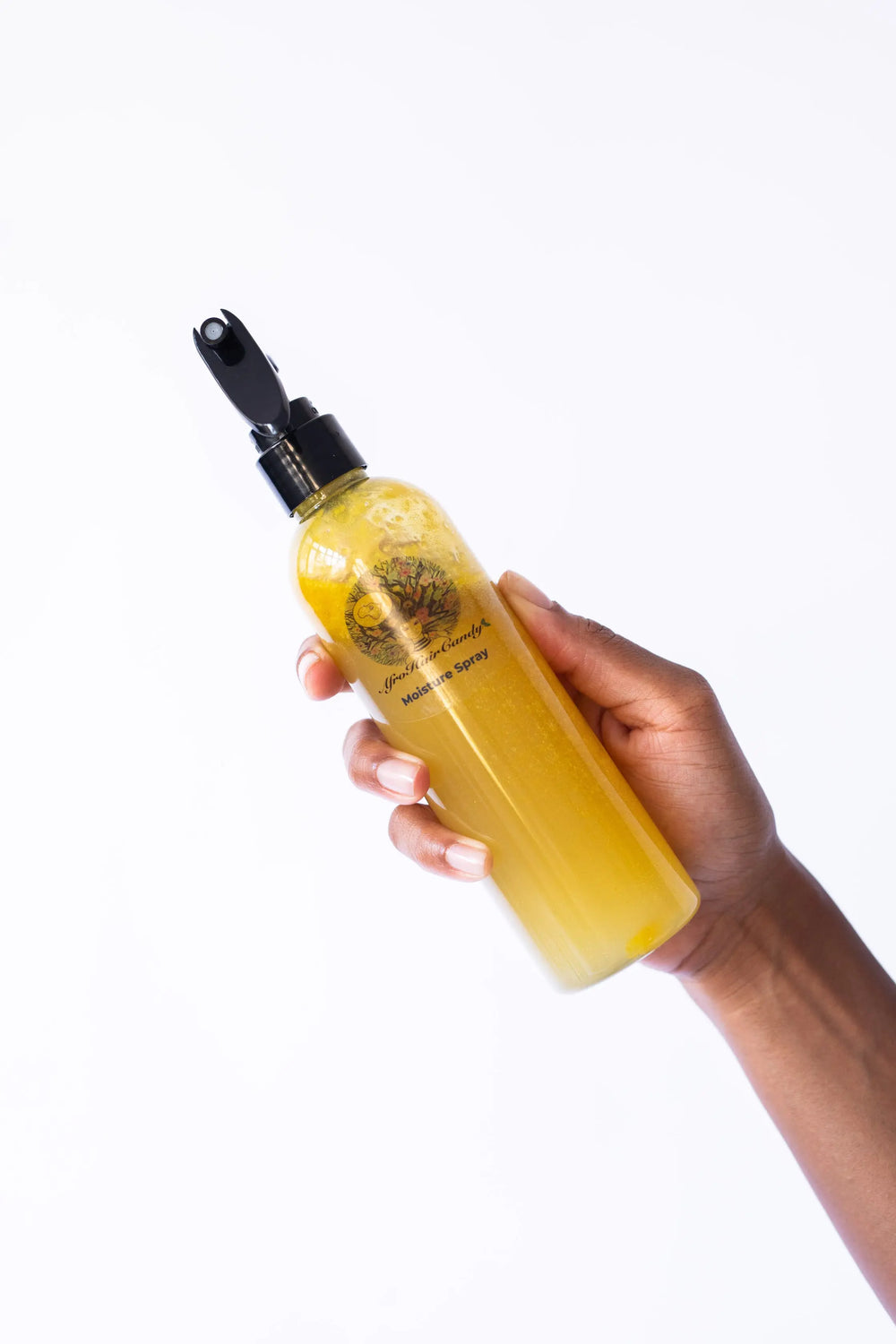
The Foundation — daily moisture and protection. The core range delivers the LOC method using only plant-based ingredients sourced personally from across Africa. Applied consistently, the foundation maintains the moisture balance, scalp health and hair integrity that allows everything else to work.
The Treatment — targeted scalp restoration. Our serums, scalp exfoliant and treatment range address specific scalp concerns — inflammation from tension styling, follicle dormancy, scalp fatigue from hormonal changes, damage from years of synthetic product use.
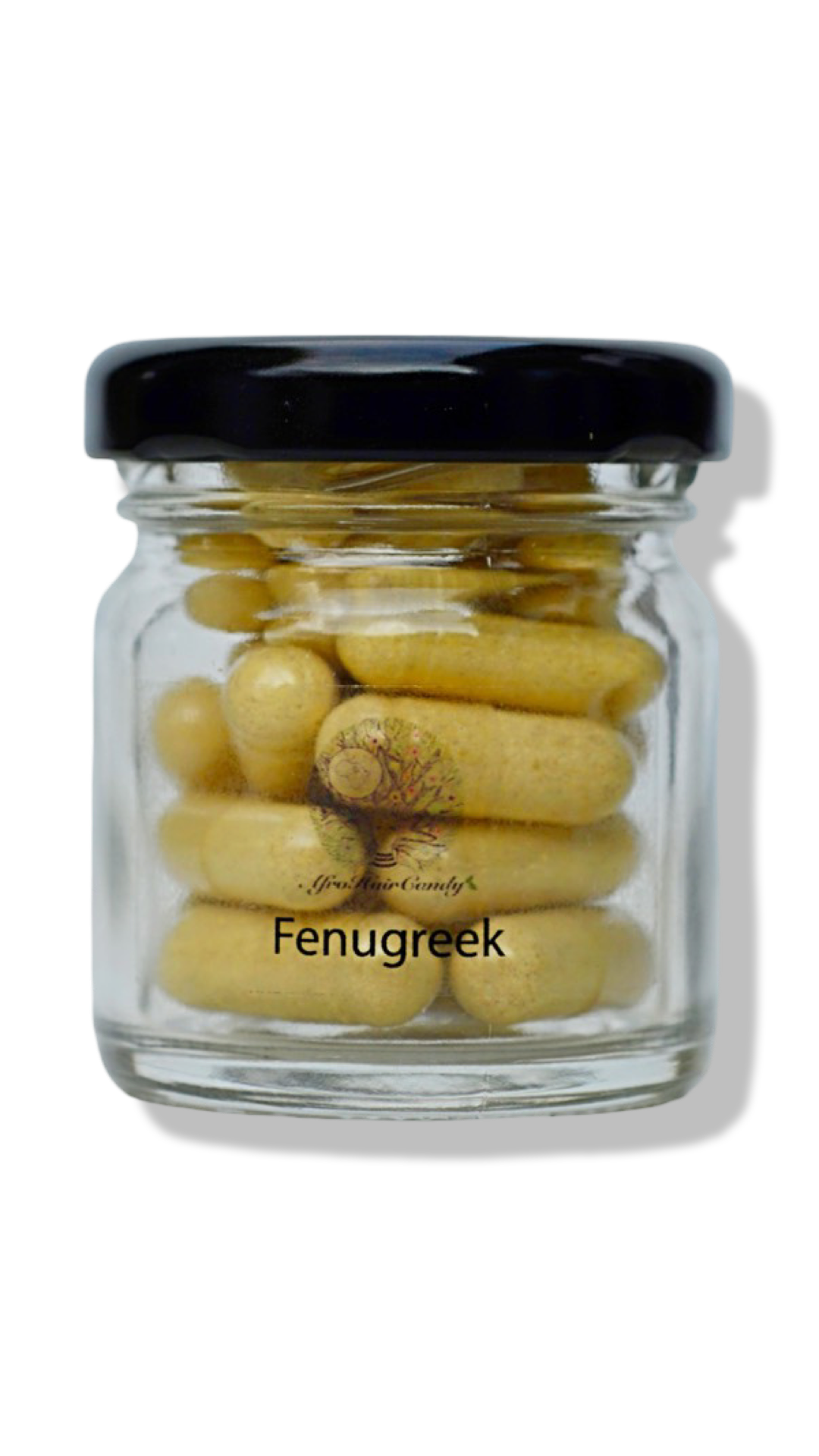
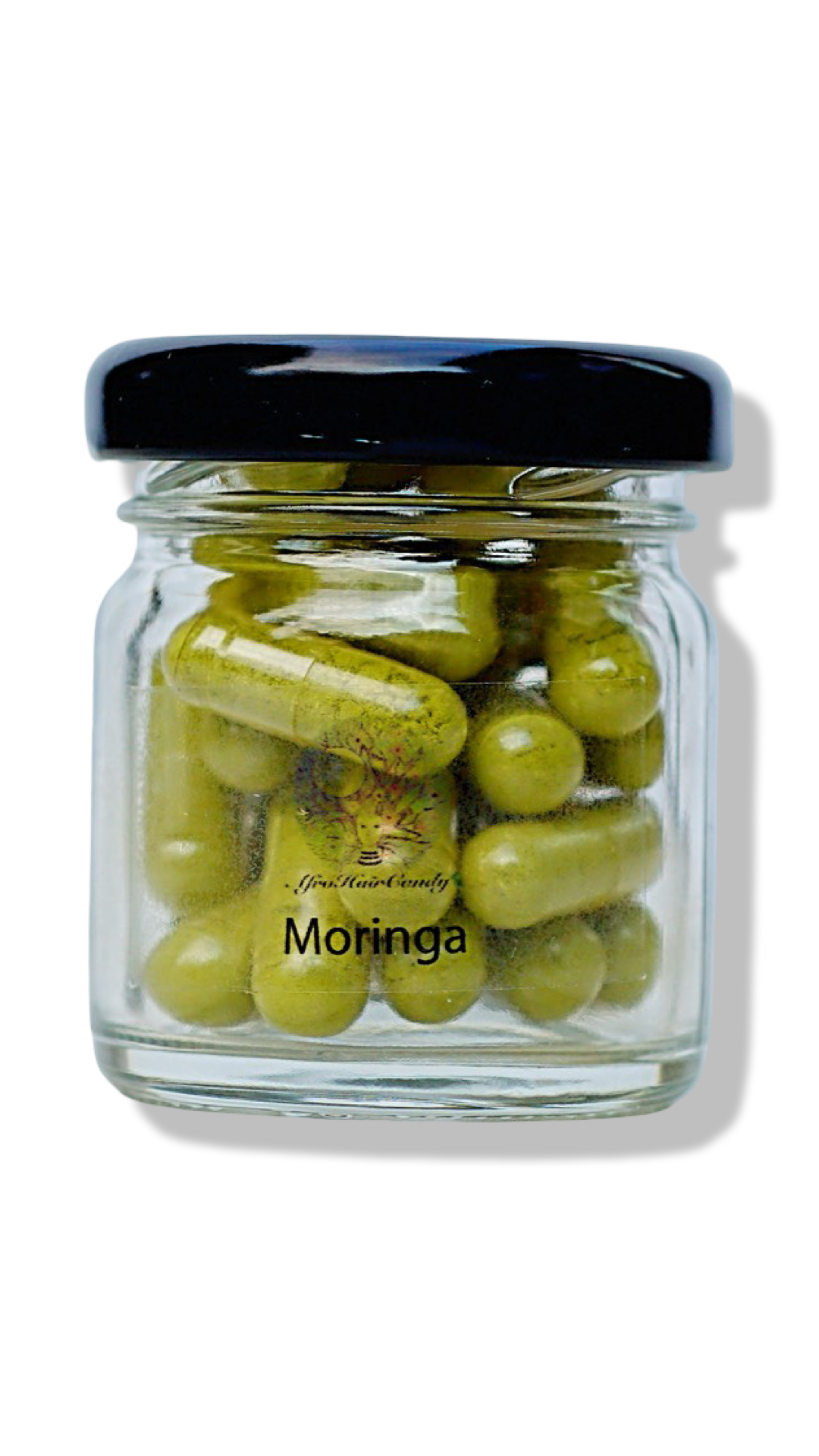
The Inner Wellness — our capsules range supports the internal conditions that topical products cannot reach. Hormonal balance. Stress response. Collagen production. Scalp circulation.
The Knowledge — Rooted in Nature. Our book brings together 22 years of trichology, African botanical knowledge and sourcing experience into over 300 pages.
This is not a hair care brand. This is a scalp wellness system rooted in 22 years of African botanical science.
Carine Mbembi Whyte
BSc Biomedical Sciences, Cellular & Molecular Biology — University of Oxford
Trichology & Healing Herbs Specialism — University of KwaZulu-Natal, South Africa
Founder, AfrohairCandy